

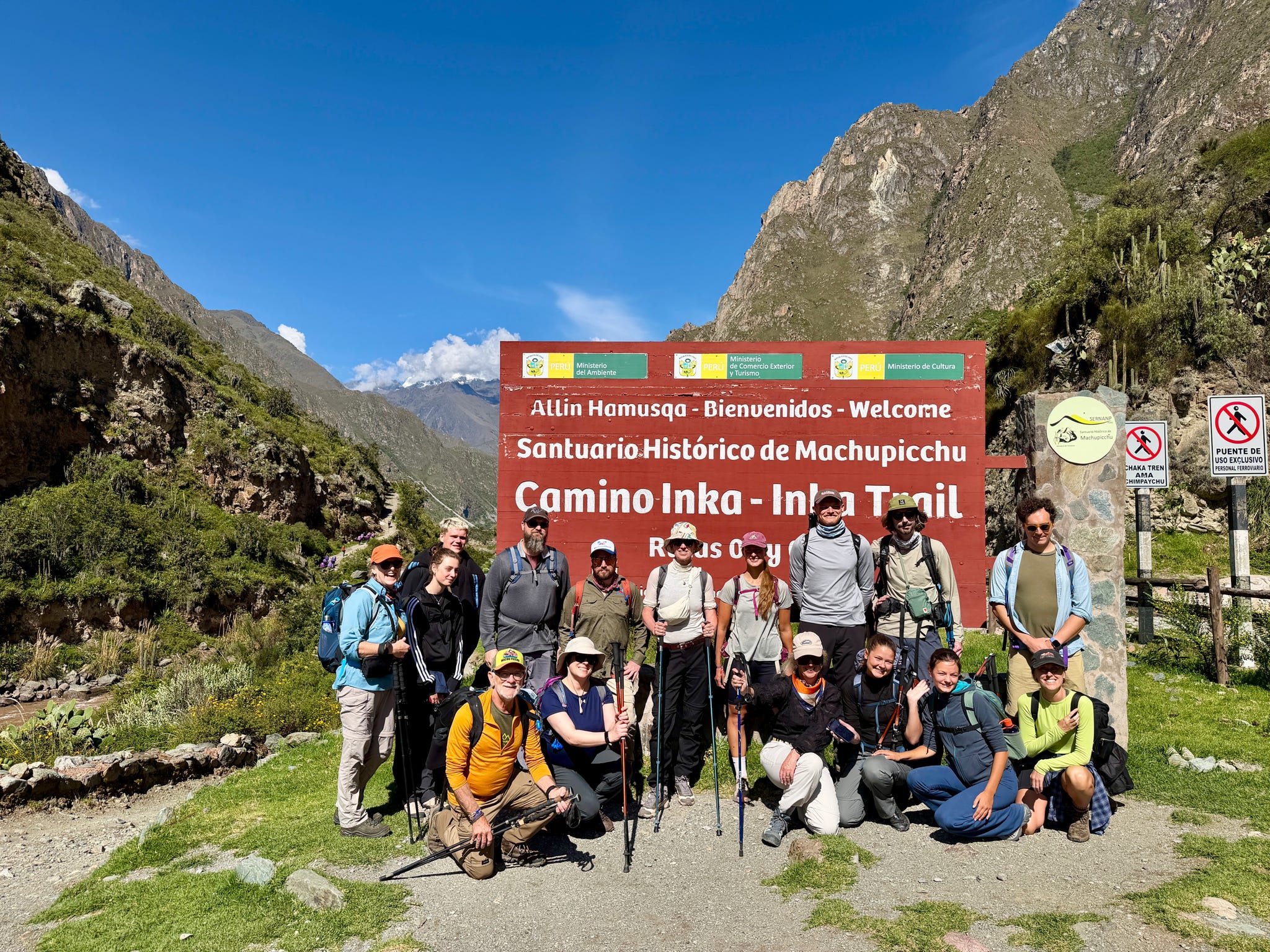
Imagine walking along ancient stone pathways, crossing breathtaking mountain passes, exploring hidden archaeological sites, and finally watching the sunrise over Machu Picchu. The Classic Inca Trail to Machu Picchu offers one of the most unforgettable trekking experiences in Peru.
This famous four-day hiking adventure follows a historic route once used by the ancient Incas. Along the way, travelers discover impressive archaeological remains, beautiful cloud forests, snow-capped mountain views, and diverse Andean landscapes.
Whether you are an experienced hiker or an adventure enthusiast looking for a meaningful travel experience, the Classic Inca Trail hike provides the perfect combination of history, nature, culture, and adventure.
Why Choose the Classic Inca Trail to Machu Picchu?
The Classic Inca Trail is much more than an ordinary hiking route. It is an opportunity to follow ancient pathways and experience the incredible landscapes and heritage of the Inca civilization.
Unlike traveling directly to Machu Picchu by train, this trekking experience allows you to discover several archaeological sites along the way before reaching the famous Sun Gate (Inti Punku).
Some of the main highlights include:
- Hiking approximately 45 kilometers through the Andes.
- Reaching Dead Woman’s Pass at 4,215 meters.
- Exploring ancient Inca archaeological sites.
- Walking through beautiful cloud forests.
- Camping in scenic mountain locations.
- Experiencing the famous entrance to Machu Picchu through the Sun Gate.
The four-day journey is ideal for travelers who want to experience the complete traditional Inca Trail adventure.
Classic Inca Trail Hike: 4-Day Itinerary
The Classic Inca Trail hike takes four days and three nights, combining challenging mountain trails, archaeological discoveries, and unforgettable natural scenery.
Day 1: Cusco – Km 82 – Huayllabamba
Your adventure begins early in the morning with hotel pickup in Cusco. You will travel toward Ollantaytambo before continuing to Km 82, the official starting point of the Classic Inca Trail.
After completing the entrance formalities, you will begin your hike through beautiful Andean landscapes.
One of the first archaeological highlights is Llactapata, an ancient Inca site surrounded by impressive mountain scenery. You will also enjoy views of Veronica Mountain before continuing toward your first campsite at Huayllabamba.
After arriving at camp, you can relax, enjoy freshly prepared meals, and meet the trekking team.
Day 1 Highlights:
- Starting point at Km 82.
- Visit the archaeological site of Llactapata.
- Enjoy views of Veronica Mountain.
- Explore beautiful Andean landscapes.
- Overnight camping at Huayllabamba.
Hiking Time: Approximately 5–6 hours.
Day 2: Huayllabamba – Dead Woman’s Pass – Pacaymayo
The second day is considered one of the most challenging sections of the Classic Inca Trail to Machu Picchu.
After breakfast, you will begin your ascent toward Dead Woman’s Pass, also known as Warmiwañusca. At approximately 4,215 meters above sea level, it is the highest point of the entire trek.
The climb can be demanding because of the steep stone steps and high altitude. However, reaching the summit rewards you with spectacular views of the surrounding mountains.
After taking time to enjoy the scenery and capture photographs, you will descend toward Pacaymayo, where your campsite and a warm meal will be waiting.
Day 2 Highlights:
- Climb to Dead Woman’s Pass.
- Reach approximately 4,215 meters.
- Experience breathtaking mountain views.
- Descend through beautiful Andean landscapes.
- Overnight camping at Pacaymayo.
Hiking Time: Approximately 7–8 hours.
Day 3: Pacaymayo – Sayacmarca – Phuyupatamarca – Wiñay Wayna
Day three is one of the most rewarding sections of the Classic Inca Trail hike. You will continue through ancient stone pathways, mountain passes, and beautiful cloud forests.
Along the way, you will explore several important archaeological sites, including Sayacmarca and Phuyupatamarca.
These ancient settlements reveal the remarkable engineering and architectural skills of the Inca civilization.
You will also enjoy incredible views of the surrounding mountain ranges and lush vegetation before reaching Wiñay Wayna, one of the most impressive archaeological sites along the trail.
Its beautiful agricultural terraces and stone structures make it a memorable highlight of the journey.
After exploring the area, you will continue to your campsite near Wiñay Wayna for your final night on the trail.
Day 3 Highlights:
- Explore Sayacmarca archaeological site.
- Discover Phuyupatamarca.
- Walk through beautiful cloud forests.
- Enjoy views of the Vilcabamba mountain range.
- Visit Wiñay Wayna.
- Overnight camping near Wiñay Wayna.
Hiking Time: Approximately 9–10 hours.
Day 4: Wiñay Wayna – Sun Gate – Machu Picchu – Cusco
The final day is the moment every traveler has been waiting for.
You will wake up early and begin the final section of your hike toward Inti Punku, also known as the Sun Gate.
As you approach this historic viewpoint, you will experience your first unforgettable panoramic view of Machu Picchu.
The sight of the ancient citadel surrounded by dramatic green mountains makes all the effort of the previous three days worthwhile.
After reaching Machu Picchu, your professional local guide will take you on a guided exploration of this extraordinary archaeological site. You will learn about its history, architecture, temples, terraces, and cultural importance.
Following your visit, you will take a bus to Aguas Calientes and board the train toward Ollantaytambo. Private transportation will then take you back to Cusco.
Day 4 Highlights:
- Early morning hike toward the Sun Gate.
- First panoramic view of Machu Picchu.
- Guided exploration of the archaeological site.
- Scenic train journey back.
- Private transportation to Cusco.
Hiking Time: Approximately 3 hours.
How Difficult Is the Classic Inca Trail Hike?
The Classic Inca Trail is generally considered a moderate-to-challenging trek. Travelers should be prepared for steep uphill climbs, long hiking days, uneven stone pathways, and significant altitude changes.
The most challenging section is the climb to Dead Woman’s Pass, which reaches approximately 4,215 meters above sea level.
To prepare for the journey, we recommend:
- Spending at least two days in Cusco or the Sacred Valley before trekking.
- Doing regular walking or hiking exercises before your trip.
- Wearing comfortable and well-tested hiking boots.
- Staying hydrated throughout the journey.
- Walking at a comfortable pace.
- Following your professional guide’s instructions.
Proper preparation and acclimatization can make your trekking experience more comfortable.
What Is Included in the Classic Inca Trail Tour?
When planning a multi-day trek, understanding what is included in your package is important.
The Classic Inca Trail package offered by Andean Path Travel includes:
- Professional English-speaking tour guide.
- Assistant guide for larger groups.
- Professional trekking chef.
- Porters to carry trekking equipment and your permitted personal belongings.
- Camping equipment and sleeping mattress.
- Hotel pickup and drop-off in Cusco.
- Private transportation to Km 82.
- Entrance ticket to Machu Picchu.
- Bus transportation from Machu Picchu to Aguas Calientes.
- Return train to Ollantaytambo.
- Private transportation back to Cusco.
- Breakfasts, lunches, dinners, and afternoon snacks during the trek.
- Drinking water during the specified trekking sections.
- First aid kit and emergency oxygen.
Please check the latest tour inclusions and booking conditions before departure.
What Should You Pack for the Classic Inca Trail?
The weather in the Andes can change quickly, so packing appropriate clothing and hiking essentials is important.
Here is a recommended packing list:
- Original passport.
- Comfortable waterproof hiking boots.
- Waterproof jacket or rain poncho.
- Warm jacket and thermal clothing.
- Hiking trousers and comfortable T-shirts.
- Sun hat and sunglasses.
- Sunscreen.
- Insect repellent.
- Personal medication and toiletries.
- Headlamp or flashlight.
- Camera and extra batteries.
- Power bank.
- Reusable water bottle.
- Small daypack.
Pack light and carry only the essentials you need during the trek.
What Is the Best Time to Hike the Classic Inca Trail?
The Classic Inca Trail is generally popular during the dry season, which runs from April to October.
May through September is especially popular because travelers often experience clearer skies and favorable hiking conditions.
The rainy season generally runs from November through March. During this period, rainfall can make some sections of the trail slippery.
Important: The Classic Inca Trail is closed every February for annual maintenance.
Permits are limited, and availability can be restricted during busy travel months. Booking several months in advance is recommended, especially if you plan to travel during the high season.
Why Book Your Classic Inca Trail to Machu Picchu with Andean Path Travel?
Choosing the right tour operator can make a significant difference to your trekking experience.
Andean Path Travel is a 100% Peruvian-owned trekking company offering small-group experiences with knowledgeable local guides.
The company focuses on personalized service, cultural experiences, and organized trekking arrangements.
Here are some reasons to consider traveling with Andean Path Travel:
- Small groups of approximately 2–10 travelers.
- Experienced English-speaking local guides.
- Professional trekking chefs and support staff.
- Camping equipment and meal arrangements.
- Porter assistance with a personal luggage allowance.
- Transportation arrangements from Cusco.
- Support from a locally owned Peruvian travel company.
Whether you are traveling from the USA, Canada, the UK, or another country, the team can help you organize your Classic Inca Trail adventure.
Book Your 4-Day Classic Inca Trail Adventure
The Classic Inca Trail to Machu Picchu is an unforgettable journey for anyone who wants to explore Peru beyond the usual tourist attractions.
From the challenging ascent to Dead Woman’s Pass to the spectacular views from the Sun Gate, every day brings a new experience.
Walk through ancient Inca pathways, discover hidden archaeological treasures, enjoy beautiful mountain landscapes, and finally reach one of the world’s most extraordinary destinations.
Ready to experience this adventure?
Explore the complete itinerary, tour inclusions, prices, and availability with Andean Path Travel.
Book your Classic Inca Trail to Machu Picchu – 4 Days adventure here:
Start planning your unforgettable journey through the Andes today!
Frequently Asked Questions
1. How long is the Classic Inca Trail to Machu Picchu?
The Classic Inca Trail takes four days and three nights. The total hiking distance is approximately 45 kilometers, passing through mountain landscapes, cloud forests, and ancient archaeological sites.
2. How difficult is the Classic Inca Trail hike?
The trek is considered moderate to challenging. The route includes steep climbs, stone steps, and high-altitude sections. A reasonable level of physical fitness and proper acclimatization are recommended.
3. What is the highest point of the Classic Inca Trail?
The highest point is Dead Woman’s Pass, also known as Warmiwañusca, at approximately 4,215 meters above sea level.
4. Do I need a permit for the Classic Inca Trail?
Yes. An official Inca Trail permit is required. The number of permits is limited, so travelers should book in advance to secure their preferred dates.
5. Where do travelers sleep during the Classic Inca Trail?
Travelers stay at designated campsites during the three-night trekking experience. Camping equipment, tents, and sleeping mattresses are included in the tour package.
6. Is the Classic Inca Trail open throughout the year?
No. The trail is closed every February for annual maintenance. It generally operates from March through January, subject to official regulations and permit availability.
7. Does the Classic Inca Trail include a guided visit to Machu Picchu?
Yes. The tour includes a professional local guide who will accompany you during your visit to Machu Picchu and explain its history, architecture, and cultural significance.